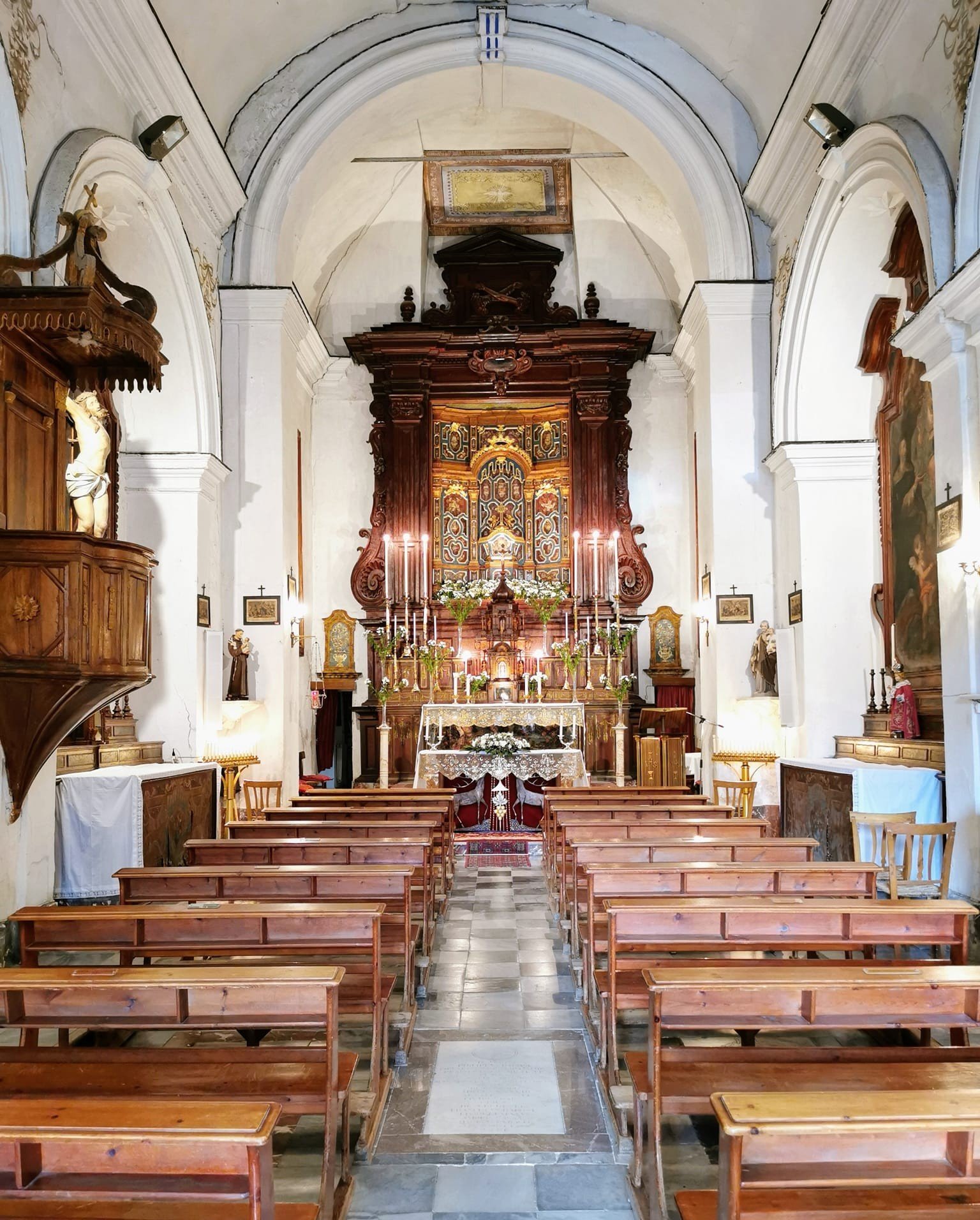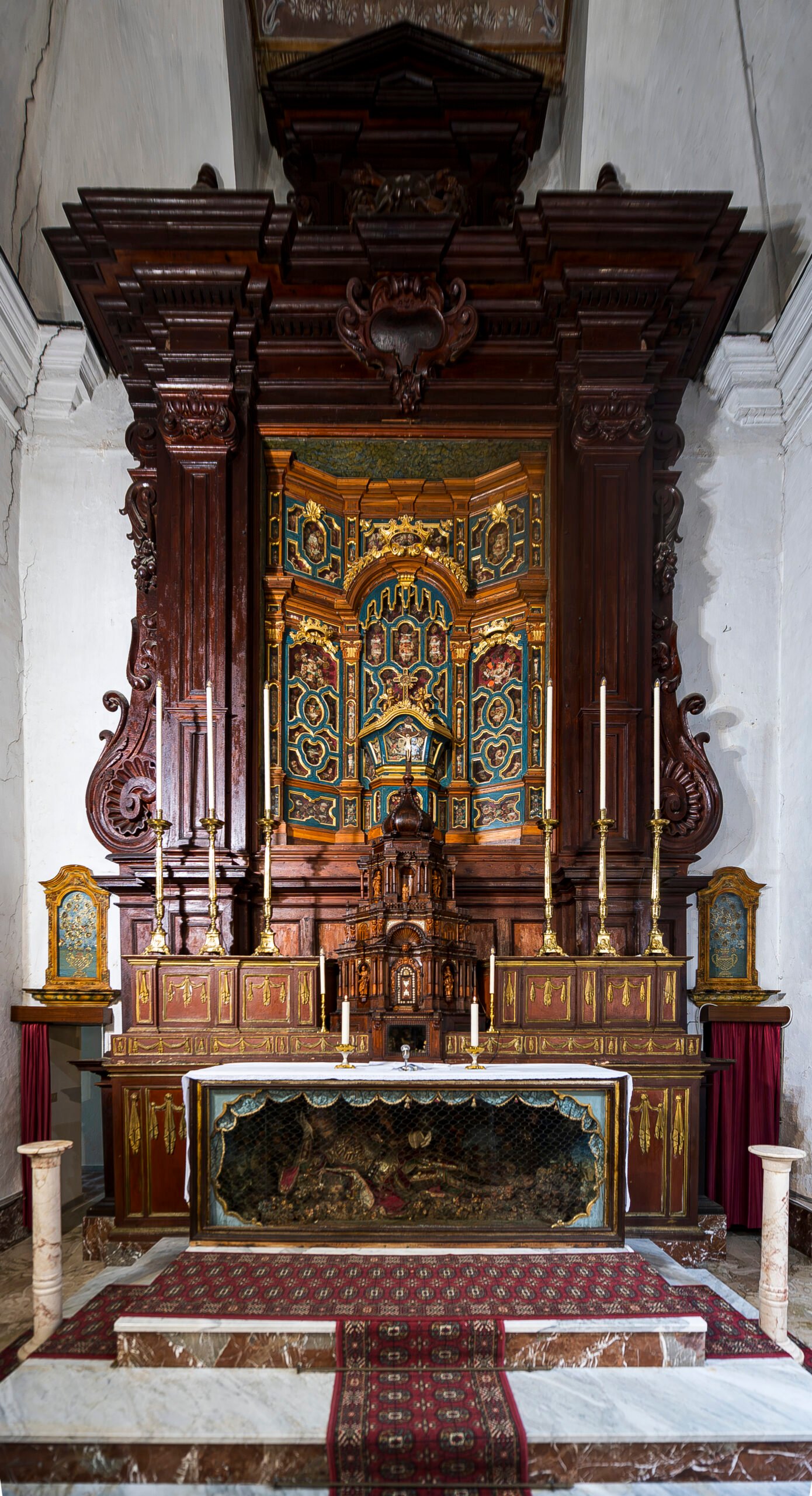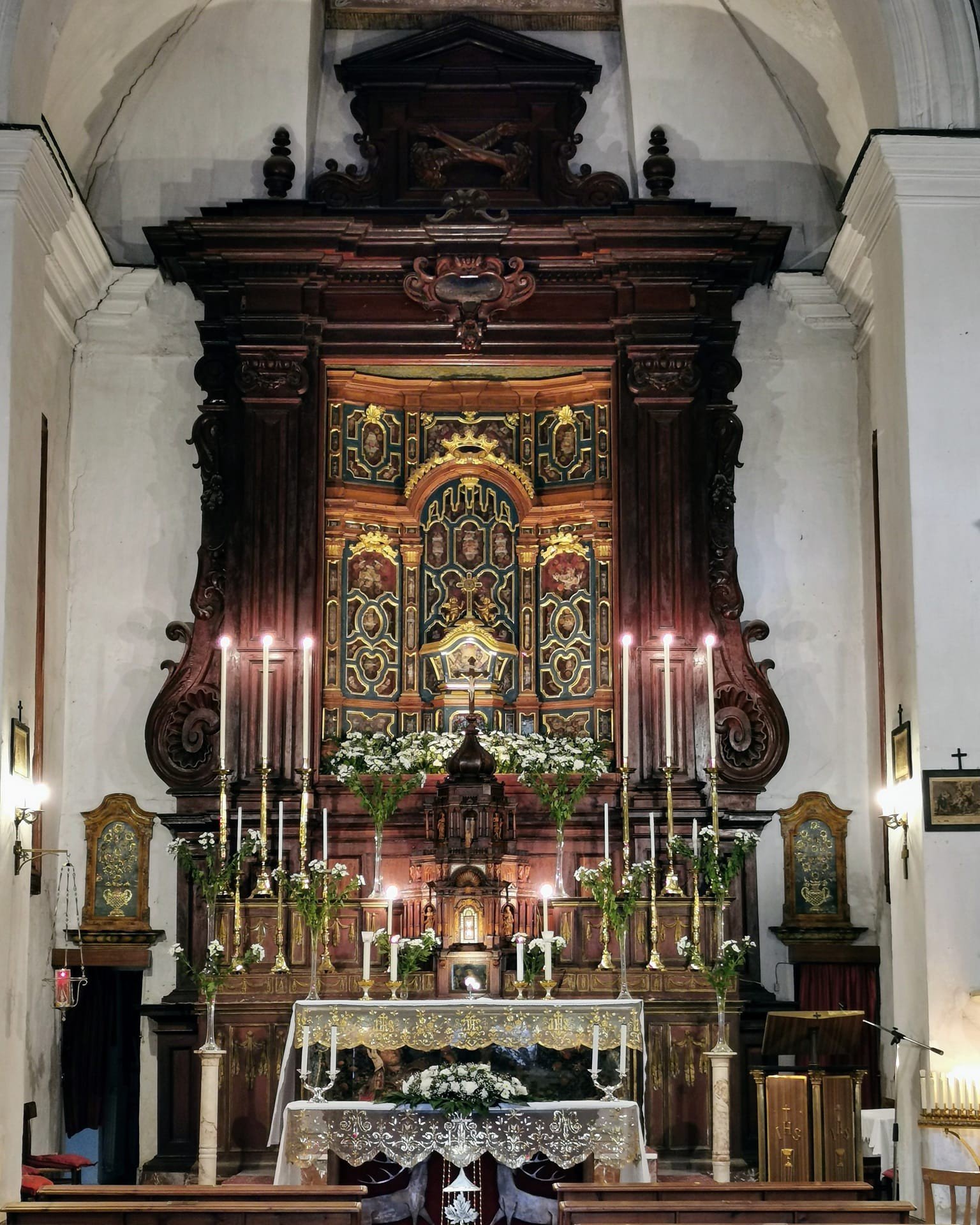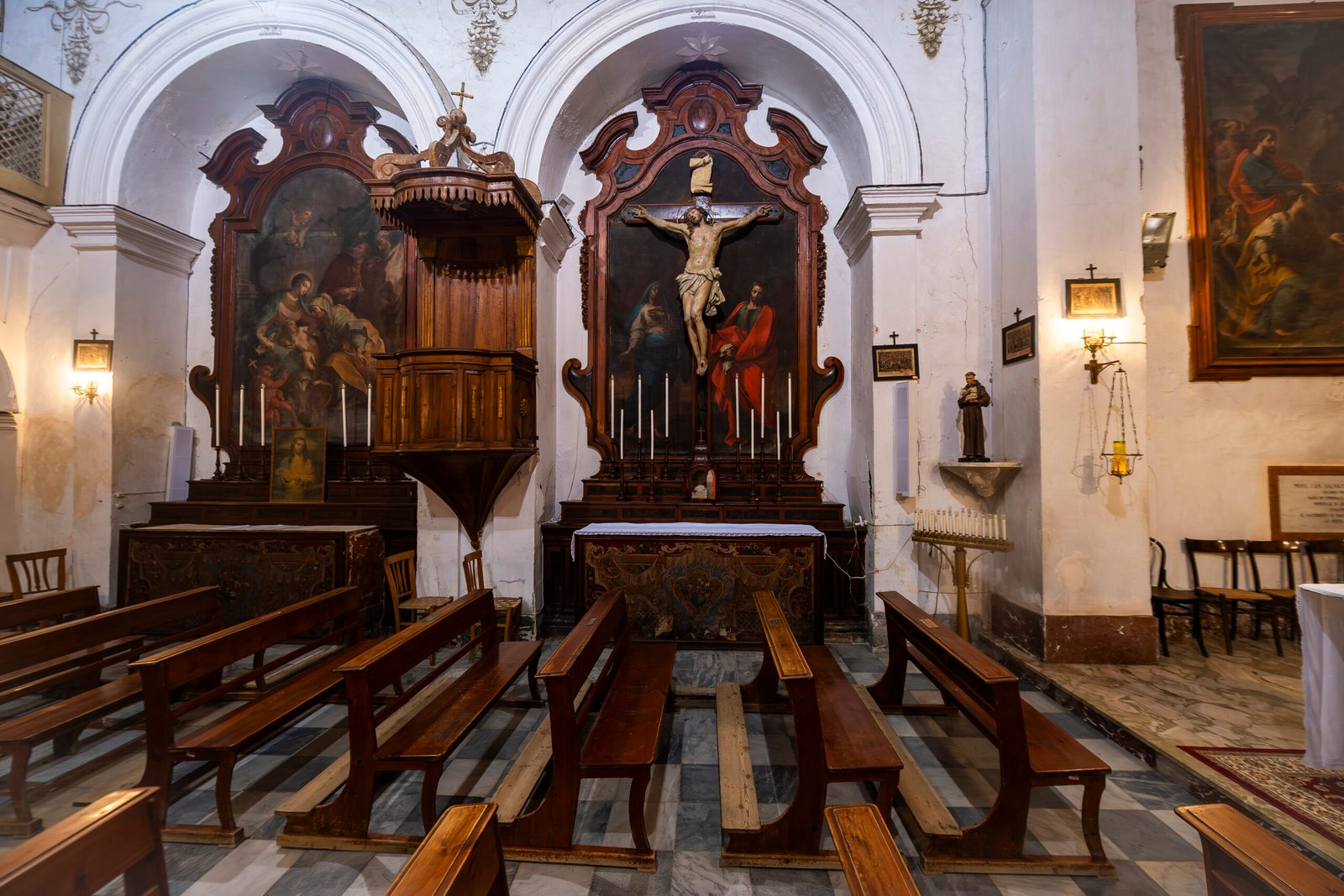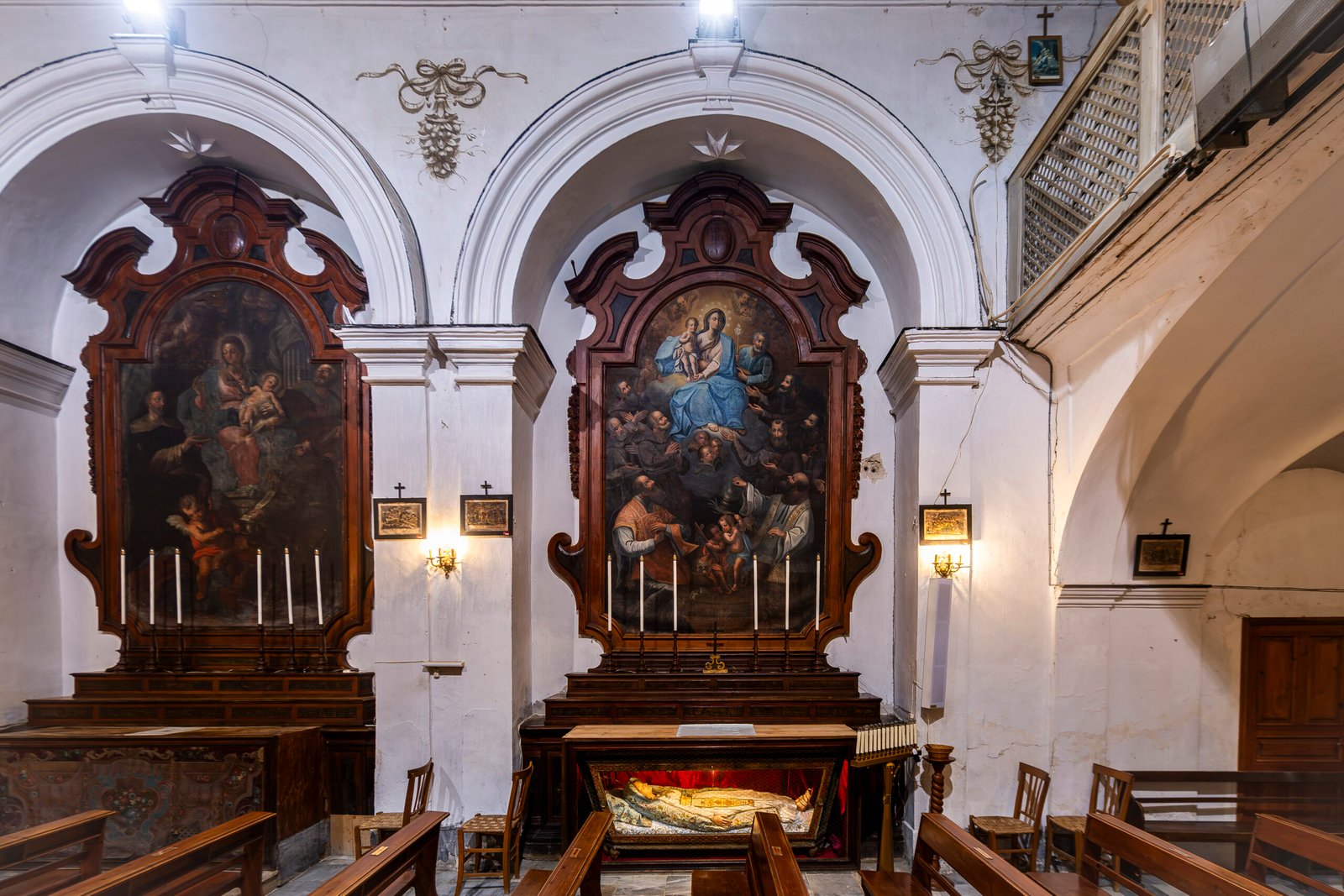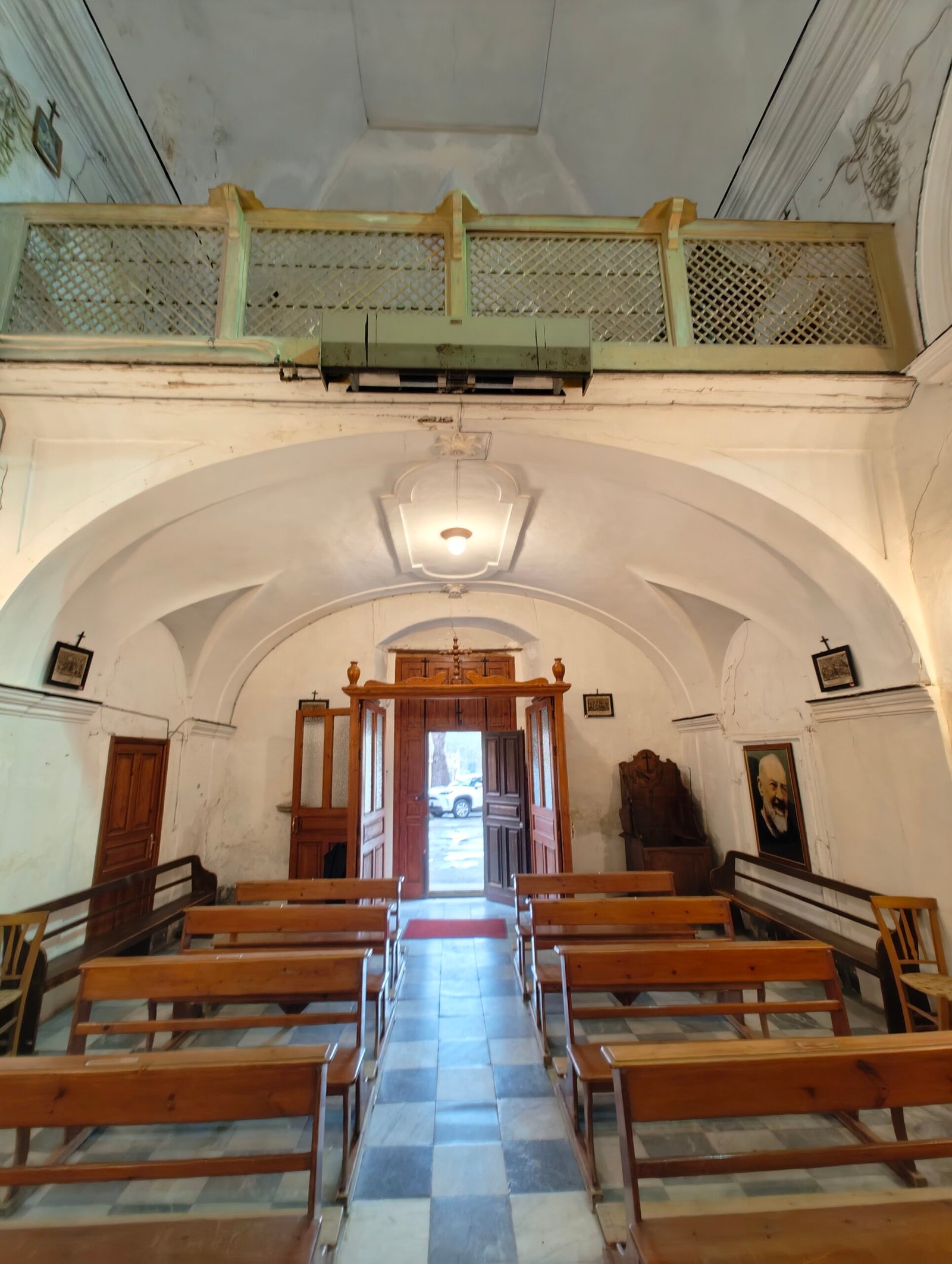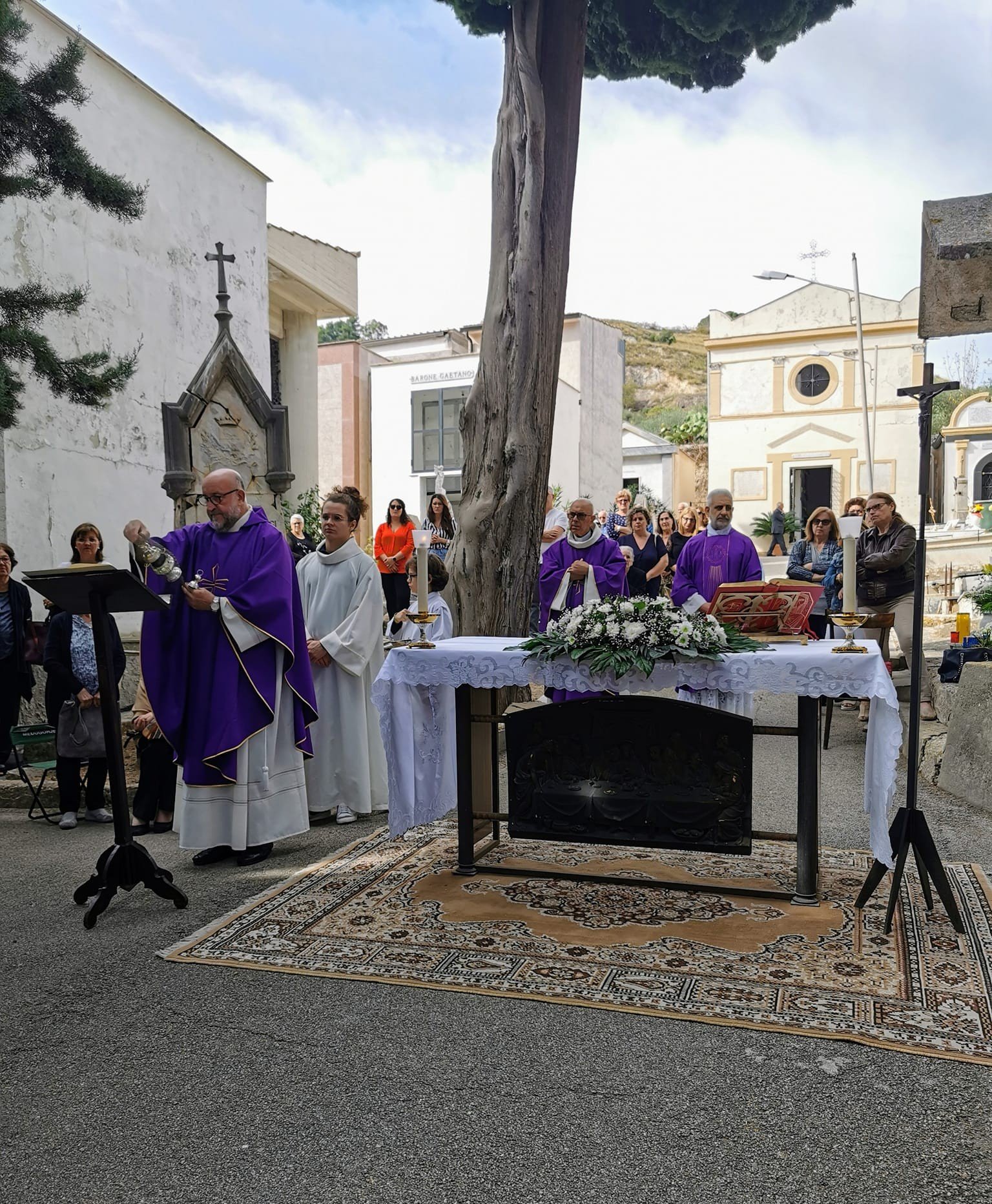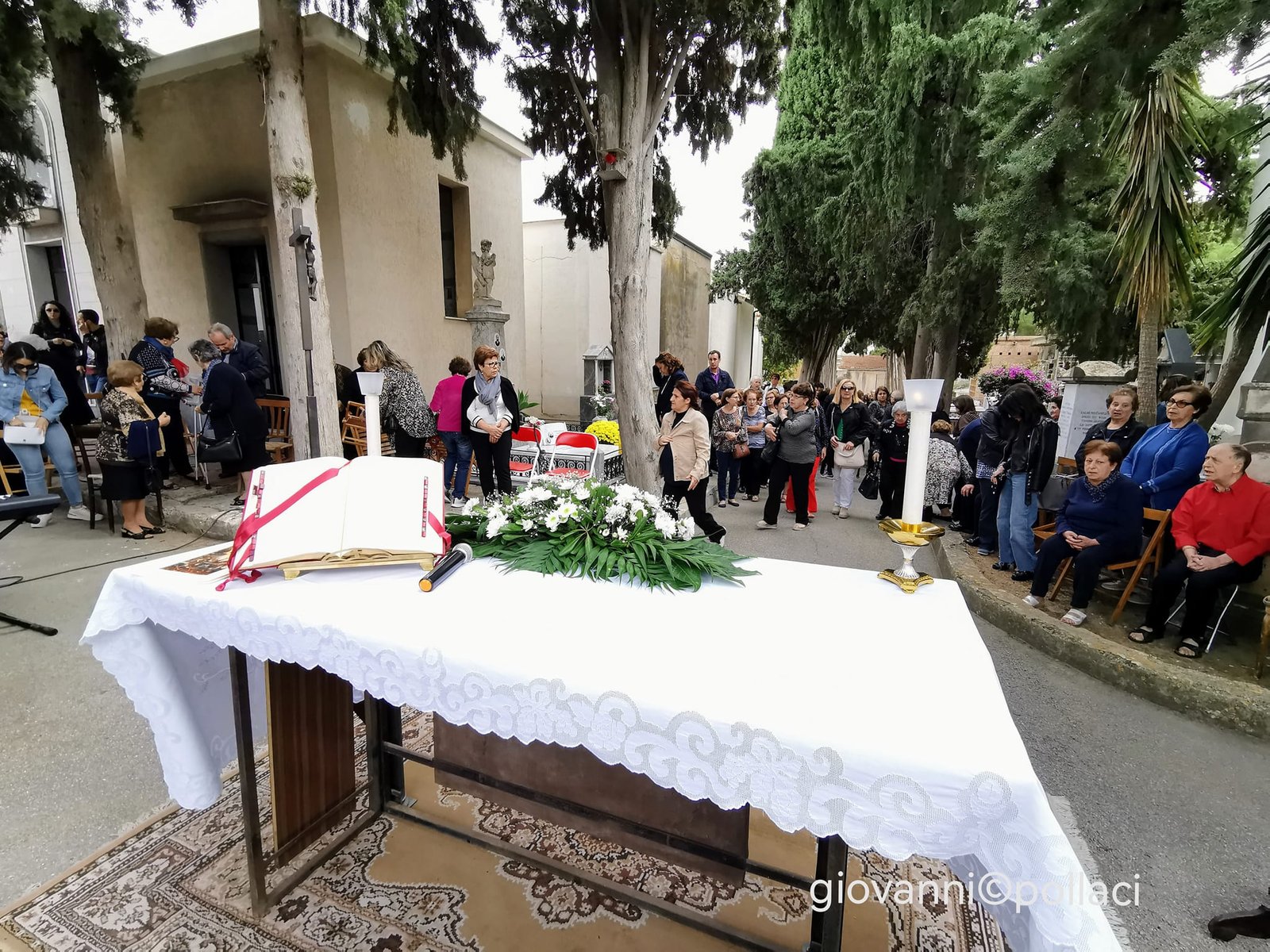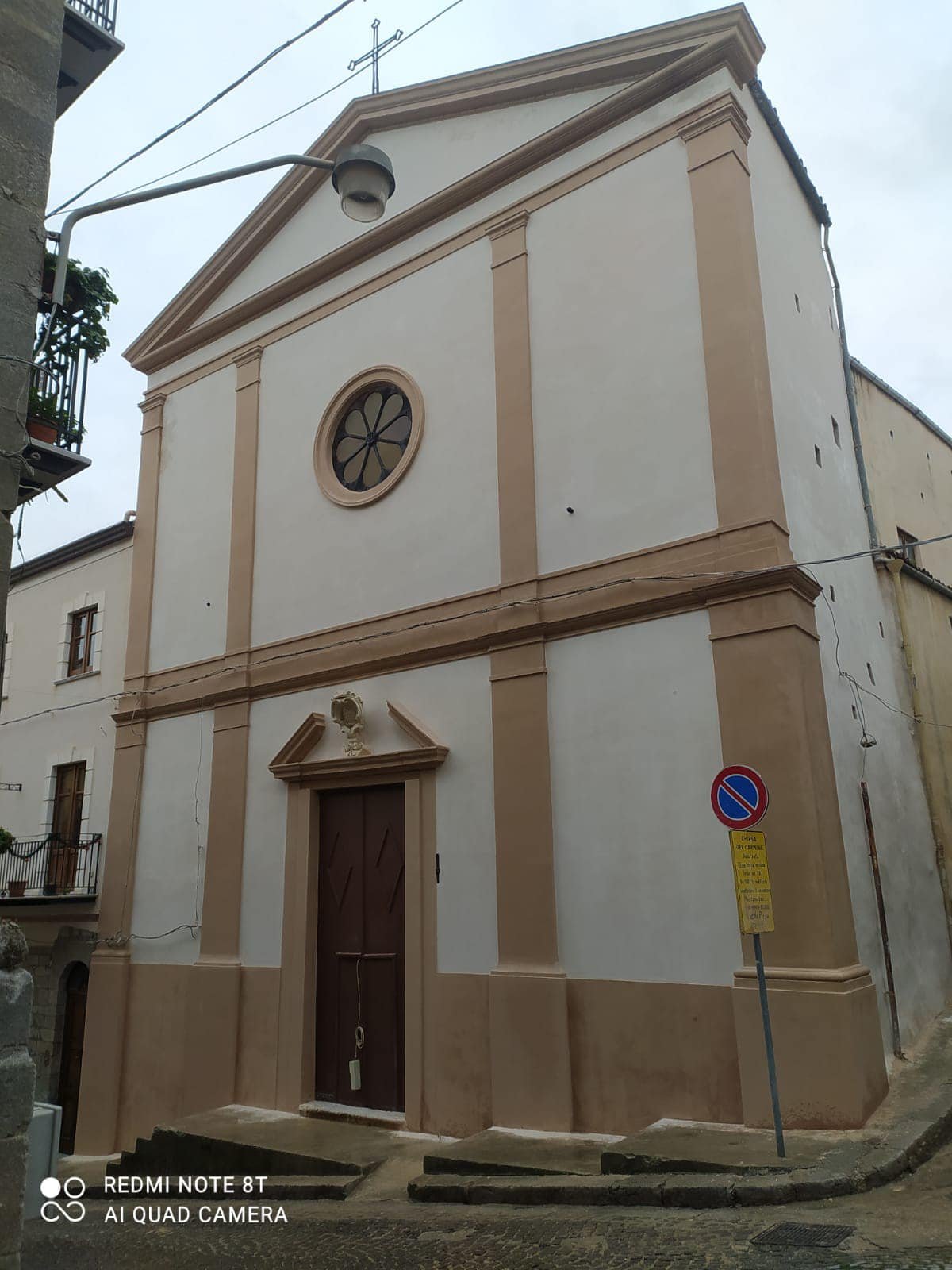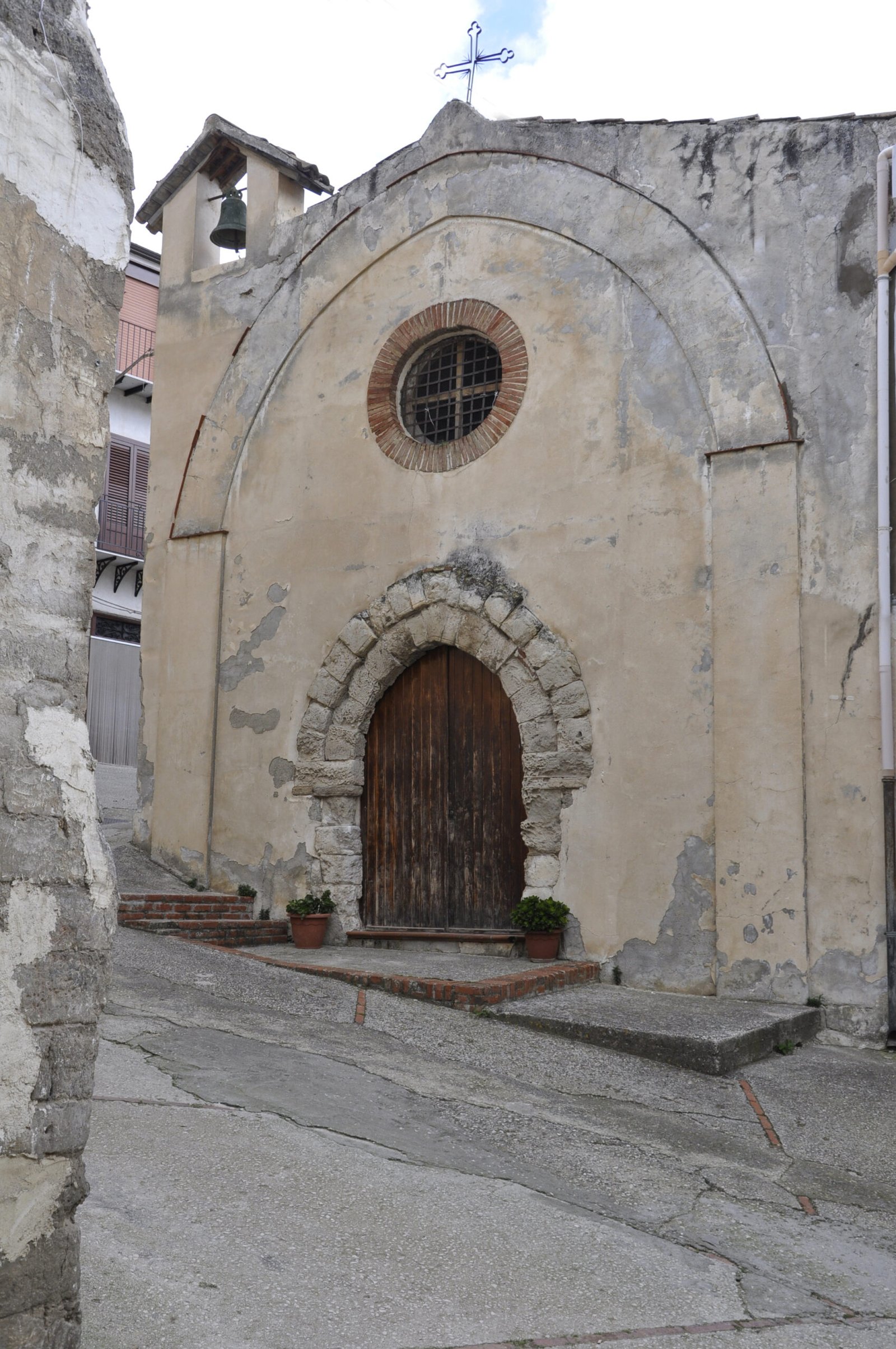

The Church of the Assumption of the Virgin Mary, commonly known as the Capuchin Church, faces the town and is bordered by the municipal cemetery on one side and the former convent on the other. The convent was founded in 1588 at the request of the Most Illustrious Don Giovanni Ventimiglia, Marquis of Geraci and Lord of Ciminna, with the blessing of the Most Illustrious Monsignor Don Cesare Marullo, Archbishop of Palermo. The true founder, however, was the Most Illustrious Don Marco Mancini, Marquis of Ogliastro, who, out of devotion to the Capuchin Order, financed most of the construction. The religious community became one of the most important in the Capuchin Province of Palermo. The convent of Ciminna was designated by the Order’s superiors as a centre for the novitiate and religious studies. The church was built at the same time as the convent for the use of the friars, but in 1755 it was rebuilt from its foundations and given its present appearance.
Following the suppression of religious orders in 1866, the convent was purchased by Canon Francesco Savona, while the church, together with all its sacred furnishings, was transferred to the Municipality of Ciminna.
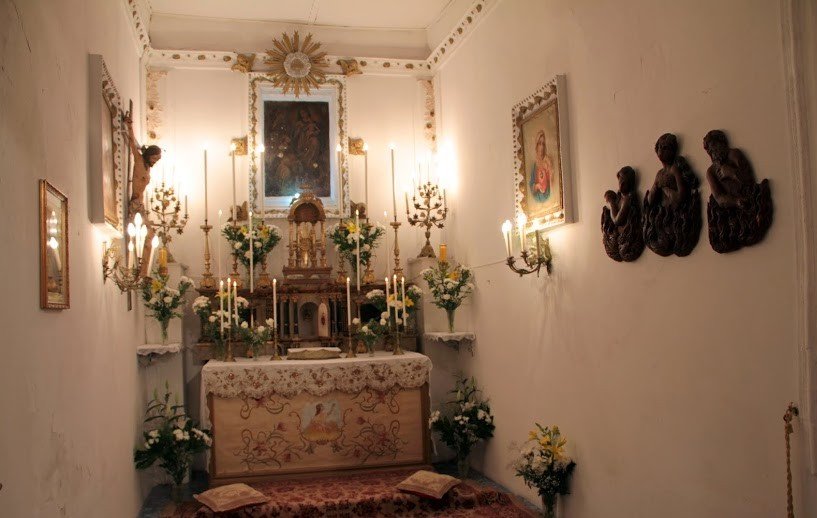
Inside the Church
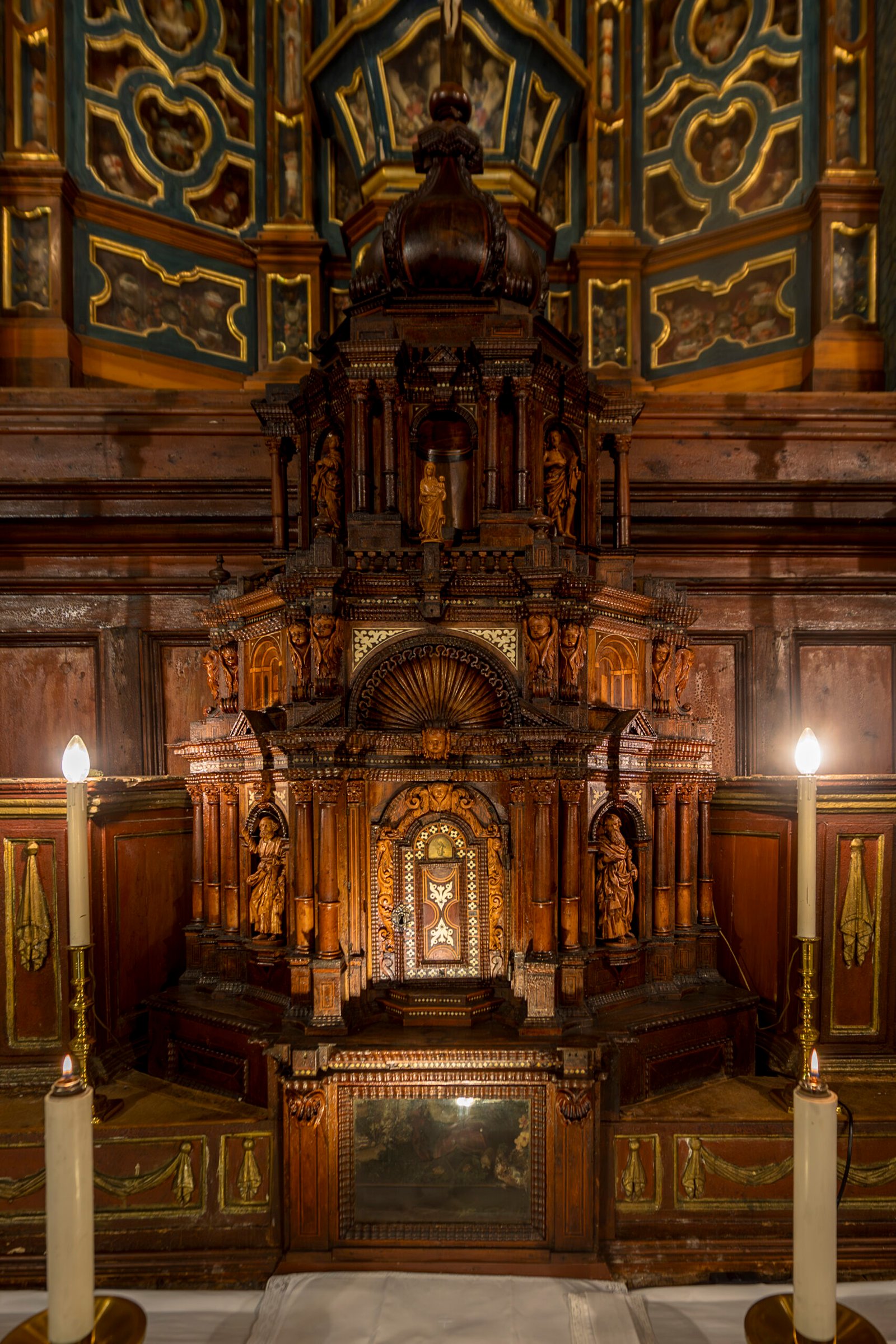
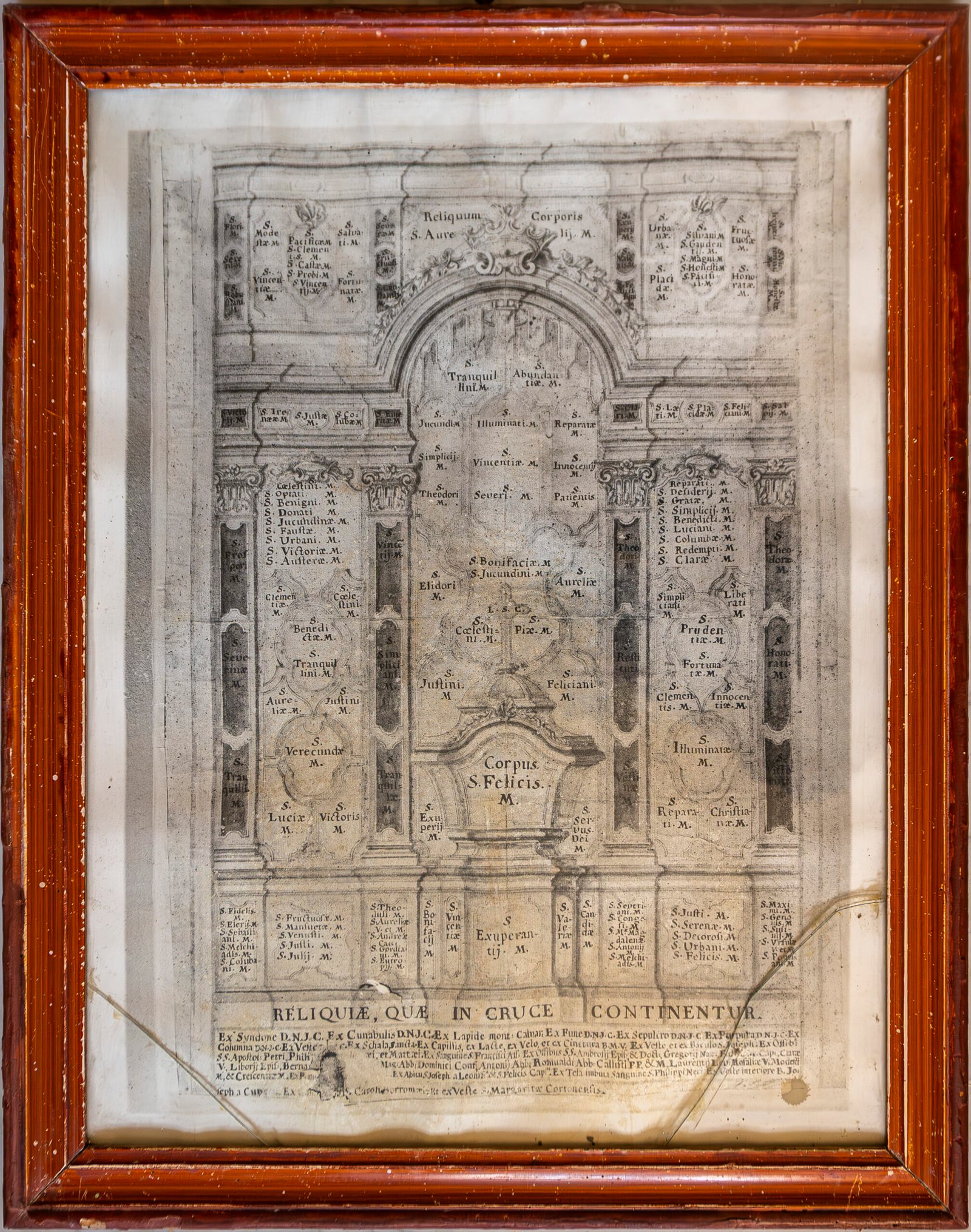
- 18th-century Reliquary, preserving the relics of the martyr saints Aurelius and Felix, together with numerous other sacred relics.
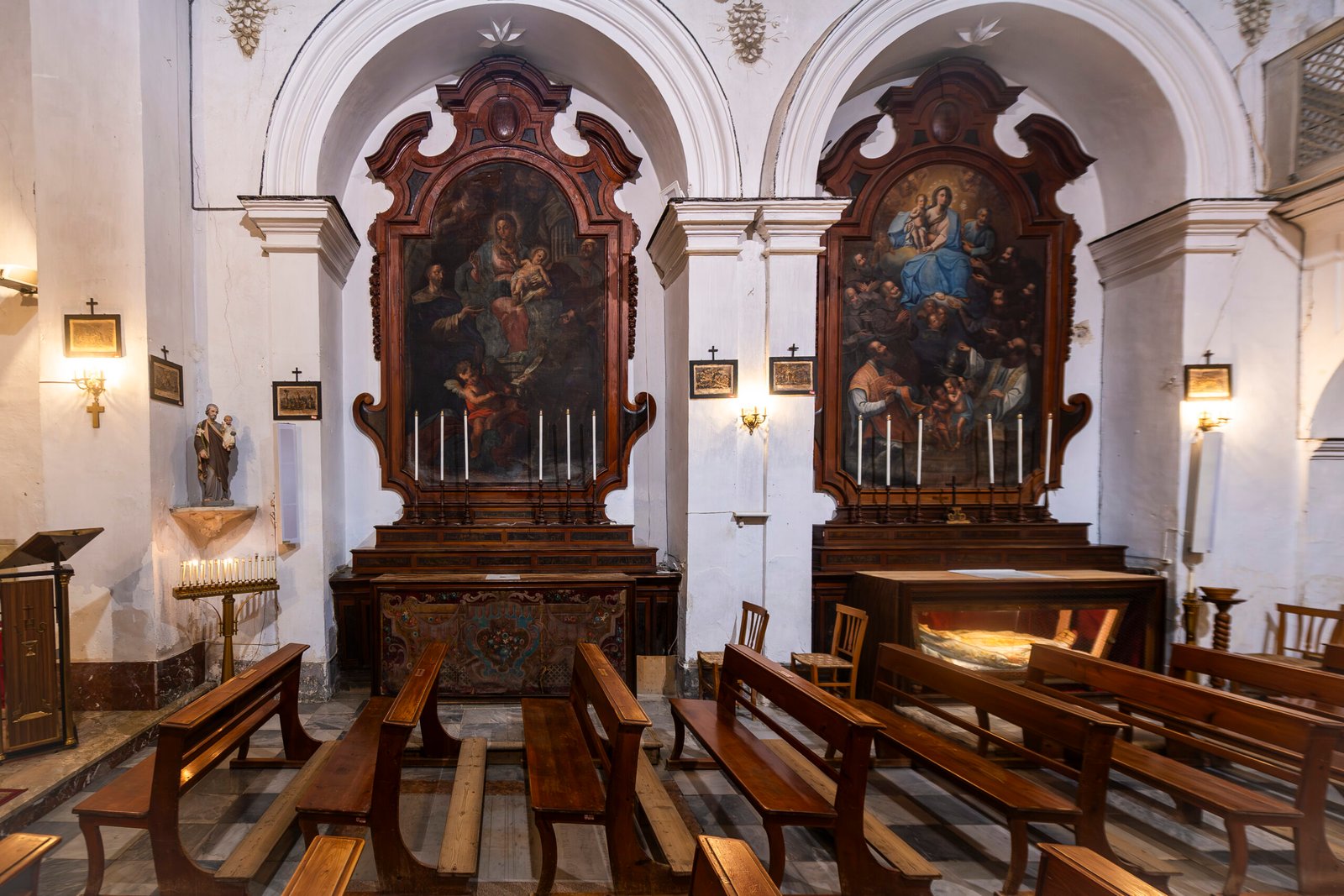
- The Assumption of the Virgin (oil on canvas), a copy of The Immaculate Conception by Sebastiano Conca in Macerata, attributed to Father Fedele of San Biagio Platani, 18th century.
- The Raising of Lazarus (oil on canvas), attributed to Father Fedele of San Biagio Platani, 18th century.
- Saint Vitus in the Boiling Cauldron (oil on canvas), attributed to Father Fedele of San Biagio Platani, 18th century.
- Dying Crucifix (polychrome wood), attributed to Fra Benedetto Valenza of Trapani, 18th century.