
The Museum complex “Polo Museale” of Ciminna is a cultural hub and a diffuse museum dedicated to the preservation, promotion, and public enjoyment of the town’s artistic, cultural, ethnographic, archaeological, and archival heritage.
It is housed in the former Hospital of Saint Peter, founded in 1506 by Paolo and Giovanna Ventimiglia, Lords of Ciminna, to provide care for travellers. According to the will of Giovanni De Adamu, these travellers were also entitled to free burial in the burial vaults of the Chapel of Santa Maria di Loreto.
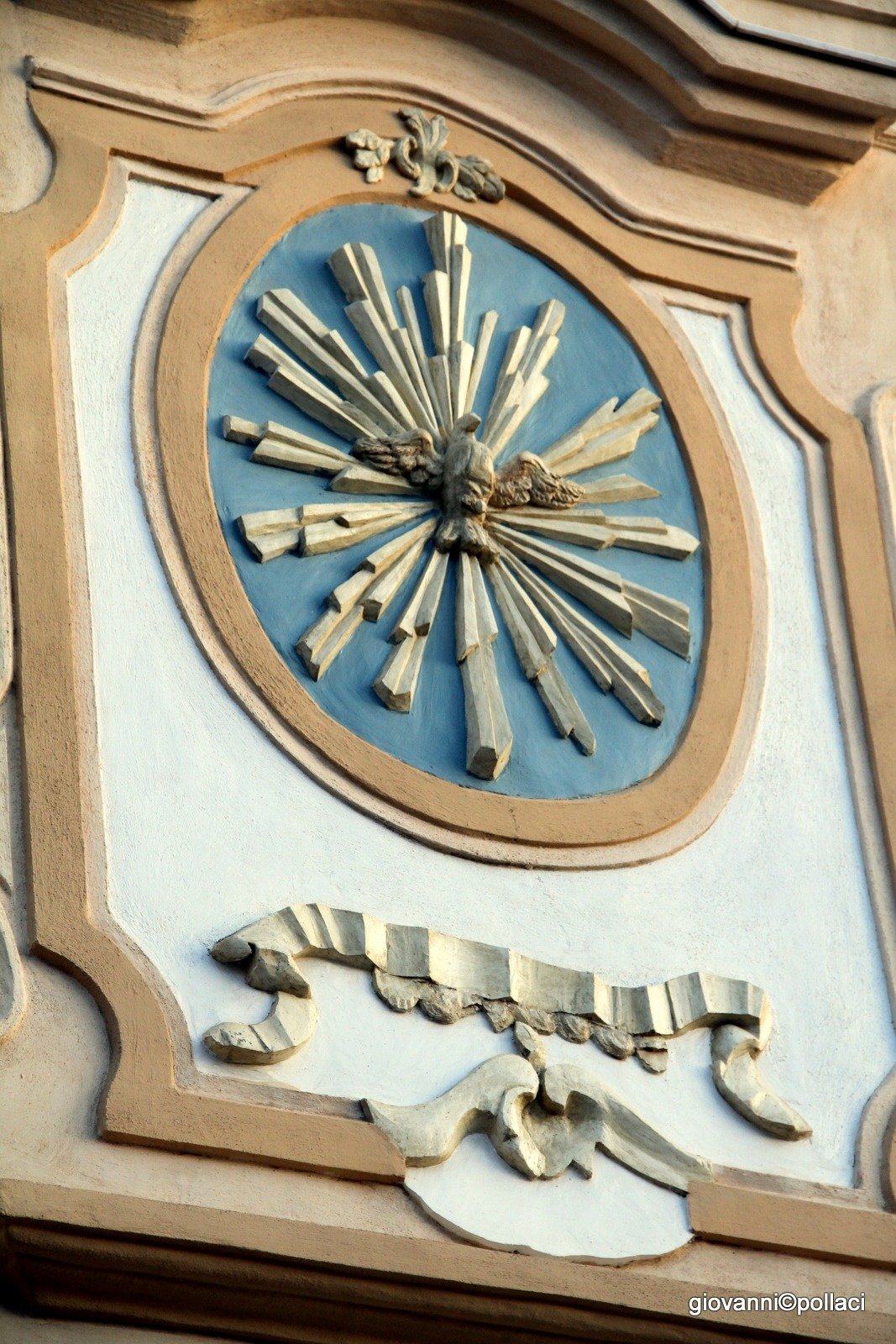
Around 1545, the hospital also began caring for abandoned children, known as bastardelli, who were welcomed, fed, and raised to adulthood thanks to generous donations from the town’s wealthiest families. This charitable activity led to the institution being dedicated to the Holy Spirit.
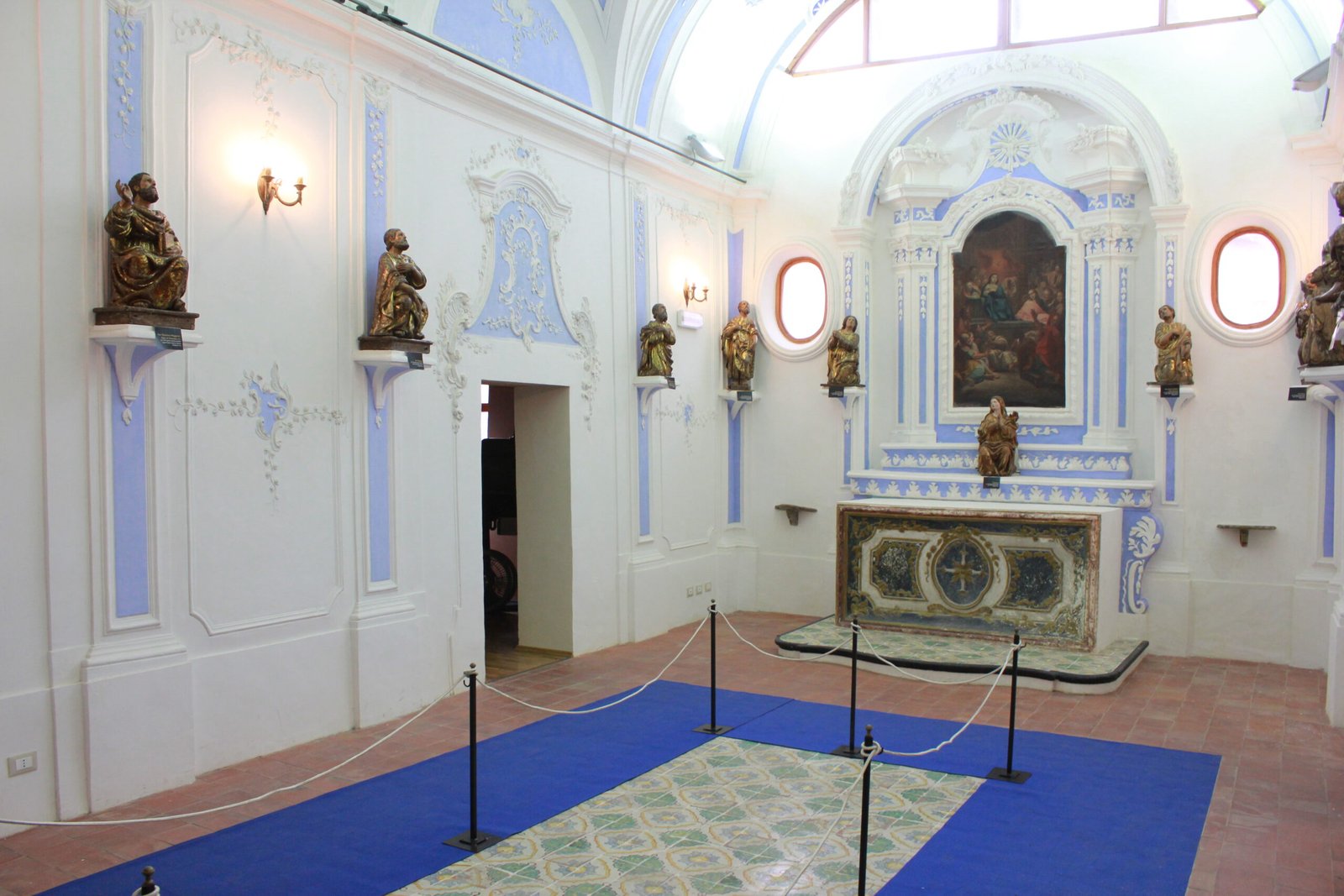
The hospital was transferred to its present location in 1769 after restoration works and the addition of stucco decorations by Giuseppe Guarneri.
The chapel preserves an important artistic heritage. Wooden statues of the Twelve Apostles, together with a statue of the Virgin Mary, are displayed on corbels along the walls, representing the Pentecost. The altarpiece depicting the same subject was painted in 1768 by the Ciminna-born artist Melchiorre Di Bella, while the 16th-century processional Crucifix once served as the emblem of the confraternity founded here in 1538.
Traditionally, during the Feast of Pentecost, the twelve statues were carried in procession through the streets of the town, reinforcing the close bond between faith and the local community.
Over the centuries, many benefactors bequeathed their property to the hospital, enabling it to continue its charitable mission in support of those most in need.
In 1905, the institution established a minor surgery clinic for the poor and a paediatric ward affiliated with the Civic Hospital of Palermo, continuing its long-standing commitment to public welfare.
Following the reform of the Italian public healthcare system, the building was deemed unsuitable for medical use and transferred to the Sicilian Region, which in the 1980s conveyed ownership to the Municipality of Ciminna. Restoration and conservation works were subsequently carried out with funding from the European Community.
Today, the Museum Centre represents the rebirth of this historic building, once again placing it at the heart of the town’s cultural life. Its collections include important works of art, many originating from the former Capuchin Church, such as Saint Bernard of Corleone, attributed to Father Fedele of San Biagio Platani, and an 18th-century ivory Nativity scene attributed to the Trapani school of Tipa. The museum also houses the valuable collection of paintings donated by the heirs of Monsignor Filippo Meli, archaeological finds discovered throughout the surrounding territory, together with the historical archives of both the former hospital and the Municipality of Ciminna.
Throughout the year, the Museum Centre hosts a rich programme of exhibitions, guided tours, educational activities, conferences, book presentations, and cultural events organised by the Municipality of Ciminna and local associations, helping to enhance and promote its collections.